Nervous System Regulation: The Practical Guide for Men Under Pressure

Nervous system regulation for men under pressure comes down to one practical question: are you stuck in overdrive, shutdown, or bouncing between the two? Each state calls for different techniques. Breathwork and grounding cut through hyperactivation. Somatic movement and vagal toning reach the shutdown pattern. Getting the match wrong, like trying to meditate through an adrenaline spike, usually makes things worse.
Are You Hyperactivated, Shutdown, or Swinging Between Both?
Hyperactivated (Sympathetic Overdrive)
Your jaw is clenched before the morning meeting starts. Small interruptions at work trigger a disproportionate flash of irritation, the kind you swallow but that sits in your chest for hours. Sleep comes late because your mind replays conversations or runs tomorrow's logistics on a loop. Shoulders and upper traps carry a permanent knot. Socially, you're either short-tempered or performing calm while your pulse says otherwise. If you reach for your phone compulsively, snap at people who don't deserve it, or feel wired at 11 PM despite being exhausted, this is your pattern.
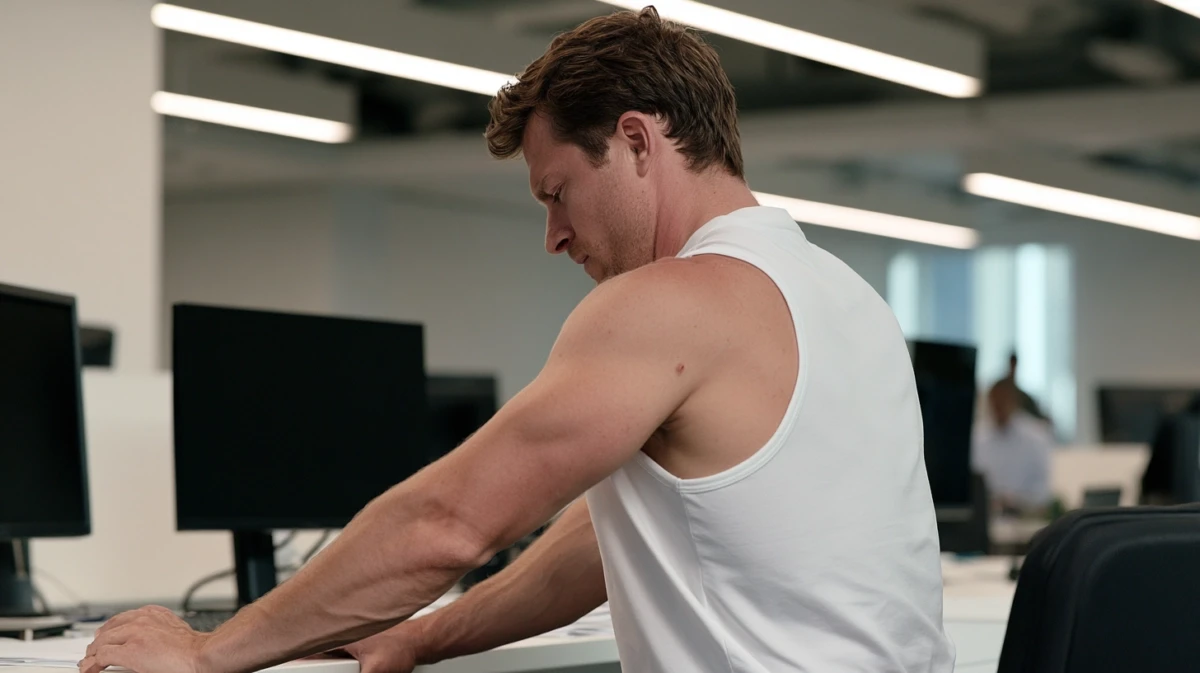
Shutdown (Dorsal Vagal Freeze)
Everything feels muted. You can sit through a crisis at work without flinching, not because you're composed but because nothing registers. Motivation disappears for days at a time. You scroll without absorbing anything. Friends stop reaching out because you stopped replying weeks ago and didn't notice. Physically, your limbs feel heavy, digestion slows down, and mornings are a wall of fog. This isn't laziness. It's your nervous system pulling the emergency brake so hard that forward motion stalls entirely.
The Oscillating Pattern
This one is harder to pin down because it looks different every week. Monday you're grinding through tasks with a racing heart. By Thursday you can barely get off the couch. You swing from reactive anger to emotional flatness, sometimes within the same day. Sleep is unpredictable: some nights you can't stop thinking, others you crash for ten hours and wake up drained. People around you experience you as inconsistent. You experience yourself as unreliable. The oscillation itself becomes its own source of stress, because you never know which version of yourself will show up.
Identifying your primary pattern makes it easier to choose the techniques and daily structure that match your specific state.
How Your Nervous System Actually Works (Without the Anatomy Lecture)
Two branches run the show. The sympathetic branch accelerates everything: heart rate, adrenaline, muscle tension. It's the system that fires when a colleague blindsides you in a meeting and your chest locks up before you've even processed what was said. The parasympathetic branch does the opposite: it slows the heart, opens digestion, softens the jaw. When it's working well, you come down after the spike. When it's not, you stay revved for hours.
The four stress responses sit on a spectrum between these branches. Fight and flight are sympathetic: snapping at your partner over nothing, or suddenly needing to leave a room you were fine in two minutes ago. Freeze and fawn are collapse responses: going completely blank mid-argument when you know exactly what you want to say, or agreeing to something you resent just to kill the tension. Most men cycle through two or three of these without recognizing the pattern.
The vagus nerve acts as the brake cable between the two branches. It runs from the brainstem down through the throat, heart, and gut, and its tone determines how quickly you can shift from activation back to calm. Low vagal tone means the brake is weak: you spike fast and recover slowly. That's why nervous system regulation techniques for men tend to target the vagus nerve directly, through breath, cold exposure, or vocal vibration. The biology matters only because it explains why willpower alone can't override a stuck nervous system. The signal is physical, so the fix has to be physical too.
Nine Signs Your Nervous System Is Stuck (and What Each One Means Physically)
Reactive anger that fires before you've even formed a thought is adrenaline hitting your bloodstream faster than your prefrontal cortex can intervene. The sympathetic branch has already decided you're under threat, and the outburst is the discharge. This is often chalked up to a short fuse or a bad day, but the pattern repeats because the baseline activation never drops low enough between triggers.
Chronic jaw clenching and tight shoulders sit in a different category. Your muscles stay contracted because the nervous system never sent the "safe" signal that releases them. That tension is literal stored fight energy with nowhere to go.
Emotional flatness, where nothing really lands anymore, points to a dorsal vagal response. The system has downshifted past fight-or-flight into conservation mode, dampening feeling as a protective measure. It can look like calm from the outside while being closer to numbness.
Lying awake with a racing mind despite physical exhaustion means cortisol is still elevated at a time when it should be at its lowest point in the 24-hour cycle. The body wants sleep; the nervous system vetoes it.
Gut problems, from acid reflux to unpredictable digestion, show up because the enteric nervous system mirrors your stress state. Sympathetic dominance diverts blood away from the digestive tract toward muscles, slowing or disrupting the entire process.
Inability to concentrate for more than a few minutes often signals that the brain is scanning for threats instead of processing information. Attention keeps fragmenting because vigilance is running in the background.
Feeling permanently on edge, even in objectively safe environments, means the threat-detection system has recalibrated its baseline upward. Normal stimuli now register as potential danger.
Dissociative moments, where you zone out mid-conversation or lose chunks of a commute, are the freeze response activating briefly. The system pulls awareness inward when it can't fight or flee.
Compulsive high-intensity training deserves its own mention. When the only way you can feel calm is by exhausting yourself into the ground, you're using physical depletion as a substitute for actual regulation. The relief is real but temporary, and the threshold keeps rising.
Why Men's Nervous Systems Get Stuck (and Stay Stuck)
Cortisol clears from the bloodstream within a few hours, but only if the body completes the stress cycle it started. Running from a threat, shaking, crying, fighting back: these are the discharge mechanisms that signal safety to the brainstem. Under chronic pressure, this physical discharge rarely happens. The stress response fires, adrenaline and cortisol spike, and then nothing happens. No physical completion. The body stays chemically primed for a threat that technically ended hours ago, and the next stressor stacks on top of an already elevated baseline.
Suppression as a Trained Skill
Boys learn early to override emotional arousal. Clench the jaw, flatten the voice, push through. Physiologically, this means the sympathetic charge still fires, but the motor and vocal pathways that would normally discharge it get shut down. Over years, the body adapts by raising the threshold for feeling anything at all. That numbness from the previous section isn't damage. It's efficiency: the system learned that expressing arousal gets punished, so it stops surfacing it. The cost is that genuine calm becomes almost indistinguishable from shutdown.
This suppression pattern often starts in childhood, where emotional neglect teaches boys to disconnect from their internal signals long before they have the language to name what's happening.
High-Intensity Training as a Trap
Heavy lifting and sprint intervals activate the sympathetic branch even further. For a man whose system is already stuck in overdrive, a brutal gym session can feel like relief because it finally matches the internal state to an external demand. But it doesn't downregulate anything. It reinforces the pattern: more adrenaline, more cortisol, more sympathetic dominance. The temporary calm afterward is exhaustion, not regulation. Over time, the body needs increasingly intense sessions to produce the same effect, which was already flagged in the signs section as a rising threshold problem.
If you rely on the gym for mental health, you don't have to quit lifting. Instead, try shifting your routine to include longer rest periods between sets and ending your workout with five minutes of slow, nasal breathing to signal safety before you leave the building.
Stored Tension Without a Story
Trauma doesn't require a dramatic event. Repeated low-grade stress that never gets discharged physically accumulates as chronic muscular holding patterns: locked hips, rigid shoulders, a tight pelvic floor, the same layer that trauma release exercises like TRE address directly through neurogenic tremoring. These patterns persist below conscious awareness and continuously signal threat to the brainstem, regardless of what's actually happening in the room, which is why somatic release exercises that work through the body rather than the mind tend to reach them faster than cognitive approaches do. The nervous system reads its own body as evidence that danger is present, which keeps the activation loop running without any external trigger at all.
For men navigating this pattern, grounding practices that anchor attention in the present moment can interrupt the feedback loop between stored tension and perceived threat.
Which Technique for Which State: A Situation-Based Breakdown
A technique that calms an acute stress spike can make dissociation worse. Matching the tool to your current nervous system state matters more than picking the "best" regulation exercise overall. The table below maps five common states to the nervous system regulation techniques men tend to respond to fastest, based on how each tool interacts with the physiology of that state.
State | What's happening physically | Primary technique | Why it works here |
|---|---|---|---|
Acute stress spike (rage, panic, racing heart) | Sympathetic flood: adrenaline surge, shallow breathing, blood diverted to limbs | Extended-exhale breathwork | Lengthening the exhale directly stimulates the vagus nerve and shifts the autonomic balance toward parasympathetic within seconds |
Chronic background activation (always on edge, jaw clenching, poor sleep) | Sustained cortisol elevation keeping muscles braced and digestion suppressed | Grounding + vagal toning | Sensory anchoring interrupts the cognitive stress loop; cold exposure or humming tones the vagal brake over time, lowering baseline arousal |
Dissociation or numbness (feeling detached, flat, "watching yourself") | Dorsal vagal shutdown: the system has dropped below functional arousal | Gentle somatic movement | Slow, rhythmic movement (walking, rocking, light stretching) brings arousal back up without triggering another sympathetic spike |
Emotional shutdown (can't access feelings, robotic functioning) | Protective dampening still active from earlier overwhelm | Somatic practice with breath | Combining body-based tension release with steady breathing re-opens the sensory channel the nervous system closed off |
Pre-sleep activation (wired but tired, mind racing at night) | Sympathetic charge hasn't been discharged; the body reads stillness as vulnerability | Physiological sigh + progressive muscle relaxation | The double-inhale sigh drops arousal fast; sequential muscle tension-and-release gives the body the discharge signal it missed during the day |
One pattern worth noting: breathwork appears in multiple rows but in different forms. A fast, energizing breath pattern during dissociation would push someone deeper into freeze. The exhale-dominant version during a spike does the opposite. State dictates the variation, not just the category, which is why men whose primary pattern is anxiety will get more from somatic exercises for anxiety than from a generic breathwork routine.
The Four Core Regulation Tools (Overview and Where to Go Deeper)
Each of these four categories targets a different part of the stress response chain. They overlap in practice, but understanding the mechanism behind each one makes it easier to pick the right entry point for your current state.
Breathwork
Extended exhales shift the CO2-to-oxygen ratio in your blood, which directly activates the parasympathetic branch. A physiological sigh (double inhale through the nose, slow exhale through the mouth) can drop heart rate within 30 seconds. Breathwork is the fastest-acting tool on this list, though it can backfire during dissociative states where you're already too far down. For a full breakdown of body-led breathing techniques see the somatic breathwork guide.
Grounding
Sensory anchoring (naming what you see, feel, hear) pulls attention out of threat-loop processing and into present-moment input. This interrupts the brainstem's pattern-matching cycle that keeps chronic activation running, the same mechanism behind grounding exercises for overthinking, where the loop is cognitive rather than emotional. Grounding works best when the nervous system is stuck in background-level stress rather than acute spikes. For men experiencing dissociation, grounding exercises for dissociation covers the techniques that work when attention capacity is already compromised.
Somatic Practice
Stored stress patterns live in muscular tension, not in thoughts. Somatic techniques like progressive muscle relaxation or slow, intentional movement give the body a way to complete the stress cycle that got interrupted. This tool is often skipped because it feels too slow, yet it addresses the root layer that breathwork alone won't reach, and most of the core somatic therapy exercises hold up in solo practice without a therapist present.
Vagus Nerve Stimulation
The vagus nerve acts as the parasympathetic brake. Cold exposure on the face, humming, and specific neck stretches increase vagal tone over time, which raises your baseline capacity to recover from stress. Results here are cumulative: a single session won't transform anything, but five minutes of daily vagus nerve exercises repeated consistently measurably shifts resting heart rate variability over weeks.
You don't need a full ice bath to trigger this response. Splashing ice-cold water on your face or holding a cold, wet washcloth over your eyes and upper cheeks for 30 seconds activates the mammalian dive reflex, forcing an immediate parasympathetic shift, one of several vagus nerve stimulation exercises that work without any equipment.
A Daily Regulation Practice in Under 10 Minutes
Three short blocks spread across the day build more baseline capacity than a single 30-minute session crammed in before bed. A structured daily routine works around a normal schedule and builds on these core techniques.
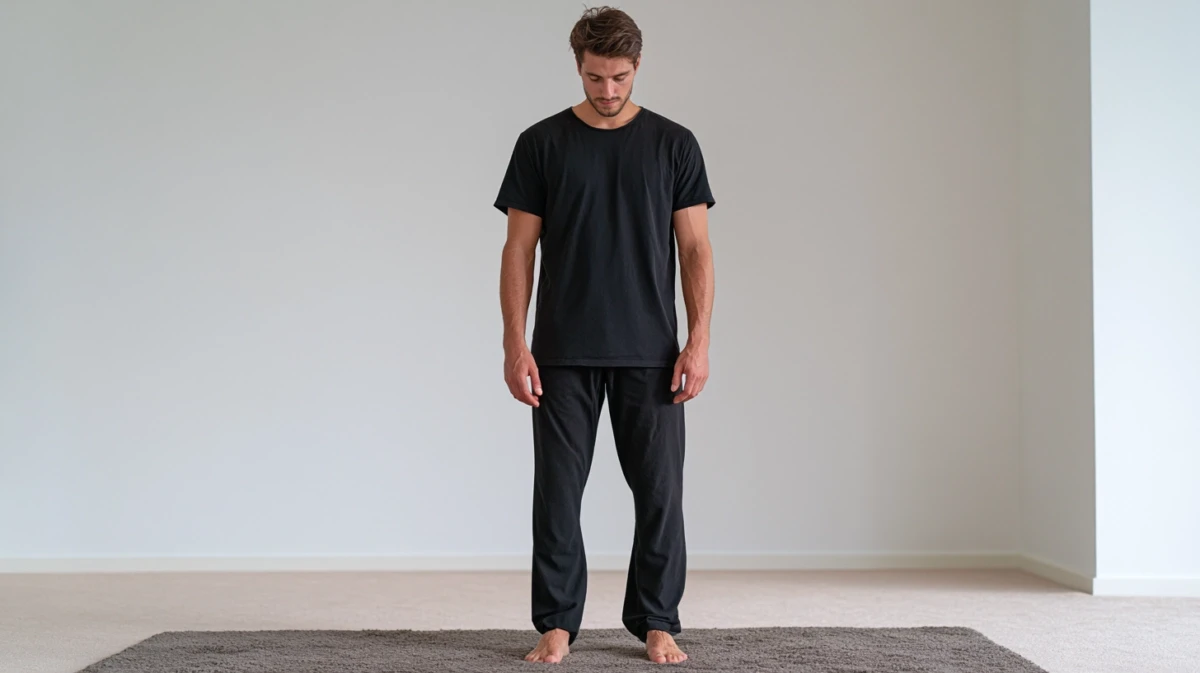
Morning anchor (2–3 minutes, before you leave the house)
Stand or sit with both feet flat. Take five to six physiological sighs, then spend roughly a minute on sensory grounding: notice three things you can see, two textures you can feel, one sound. This sequence pulls attention out of whatever your mind started rehearsing the moment you woke up. Do it while the coffee brews or in the car before you turn the key. Skipping the morning anchor is the single fastest way to start the day already running in a low-grade threat loop.
Midday reset (2–3 minutes, at your desk or in a parked car)
Extended-exhale breathing, four counts in and six counts out, for about two minutes. Follow it with 30 seconds of slow neck rolls or shoulder shrugs to discharge tension that's been building since morning. This block works best right after lunch or during a natural break between tasks. It won't feel dramatic, and that's the point: you're resetting your parasympathetic baseline, not managing a crisis.
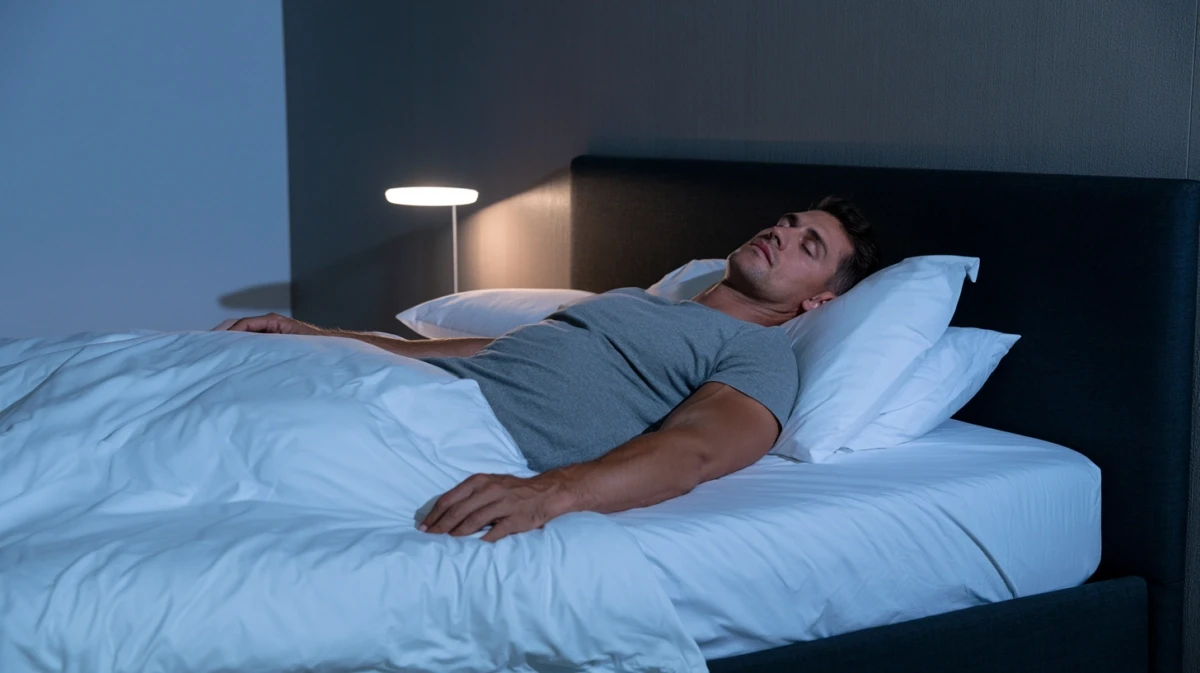
Evening wind-down (3–4 minutes, in bed or sitting)
Progressive muscle relaxation from feet to jaw, tensing each group for five seconds and releasing. Finish with two to three slow breaths, exhale longer than the inhale. Doing this lying down tends to work better than sitting because the body reads the horizontal position as safe. If you fall asleep during it, that's a feature, not a failure.
Consistency across all three blocks matters far more than hitting exact minute counts. Missing the midday reset on a busy day costs you almost nothing. Missing all three blocks for a week straight puts you back at square one.
What Doesn't Work for Nervous System Regulation (and Why)
Talk therapy without a body component keeps the conversation in the prefrontal cortex. You can name the pattern, trace it back to childhood, understand it perfectly, and still walk out of the session with your jaw clenched and your chest tight, which is why breathwork for trauma release works the layer that cognitive processing can't reach. Cognitive insight alone doesn't discharge the activation stored in your muscles and fascia. Therapy has enormous value for meaning-making and relational repair, but if the nervous system is stuck in a sympathetic loop, understanding why you're wound up won't unwind you.
Seated meditation when you're already spiking tends to backfire. Sitting still with a racing heart and shallow breathing forces attention onto a body that feels unsafe, conscious connected breathwork has the same problem when the system is acutely activated, which is why state-matching matters more than technique preference. For most men in an acute state, this amplifies the distress rather than calming it. Meditation works well once the system has some baseline regulation, not before. Trying to meditate your way through a cortisol surge is like asking someone to read quietly during an earthquake.
Willpower-based suppression ("just breathe," "calm down," "push through it") treats regulation as a discipline problem. The sympathetic branch doesn't respond to commands. Clenching your fists harder, forcing a neutral face, or overriding the signal with sheer effort actually increases the load on your system. The activation doesn't leave; it just goes underground and resurfaces as insomnia, gut issues, or a shorter fuse the next day.
The common thread: all three approaches skip the body. Techniques that actually shift the state work through physiology first, not cognition or control.
Common Questions About Nervous System Regulation
How long does it take to regulate your nervous system?
A single breathing exercise can shift your state within two to five minutes, for the full acute reset sequence see the nervous system reset guide. Building a stable baseline where you don't spike as easily takes consistent daily practice over roughly four to eight weeks, though for men recovering from chronic dysregulation, nervous system healing is a longer arc measured in months, not weeks.
Can you regulate your nervous system without therapy?
Breathwork, grounding, and structured daily practice can produce real physiological shifts on their own. Therapy becomes important when trauma responses, emotional shutdown, or panic attacks persist despite consistent body-based work, because those patterns often need guided processing alongside the somatic tools.
What is the difference between nervous system regulation and relaxation?
Relaxation is a temporary state: you feel calm, then the effect fades. Regulation rewires your nervous system's resting set point so your threshold for activation rises over time. A regulated system recovers faster from stress rather than just masking it with momentary calm.
How do you know if your nervous system is dysregulated?
Persistent muscle tension without injury, disrupted sleep despite fatigue, digestive problems that spike under pressure, and difficulty concentrating even in low-stakes situations all point to a nervous system stuck in a stress loop. If several of these overlap and don't resolve with rest, dysregulation is the likely driver.
The Grounding Ritual Kit
A 7-day structured practice for nervous system regulation — breathwork, grounding and stillness built into a daily system that actually sticks.
Not ready to commit? Start here instead:
Five short breathwork sessions to train your nervous system to come down from activation faster.